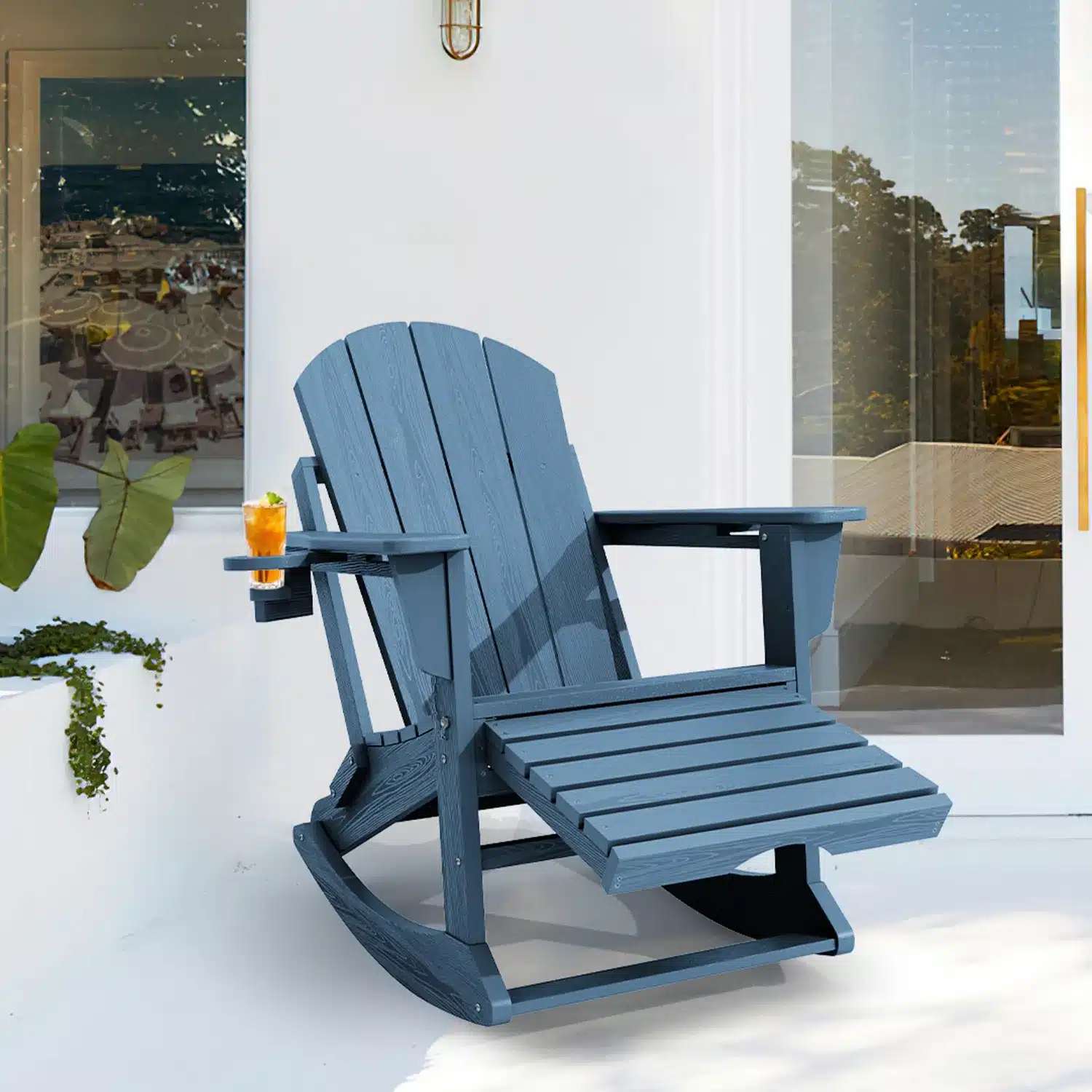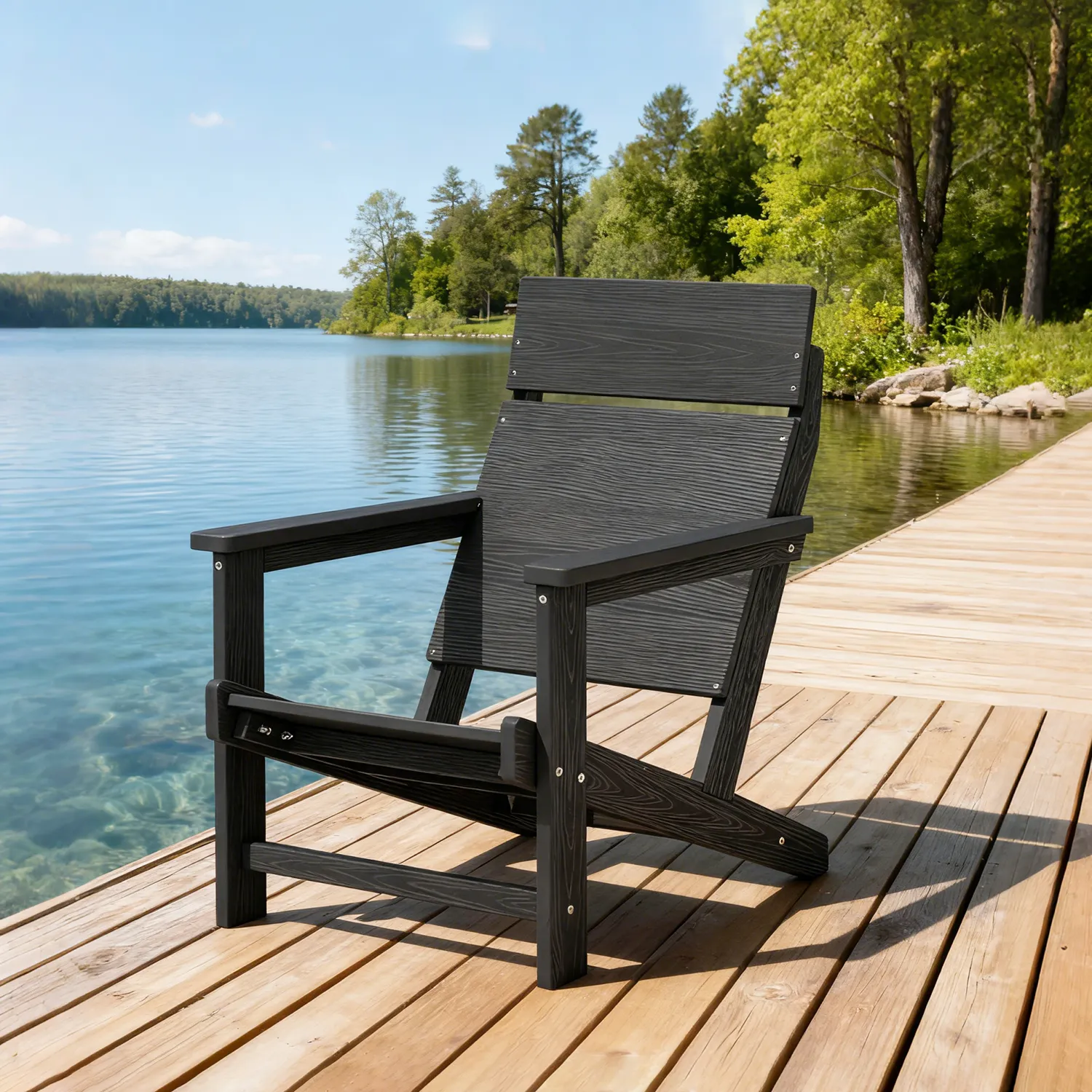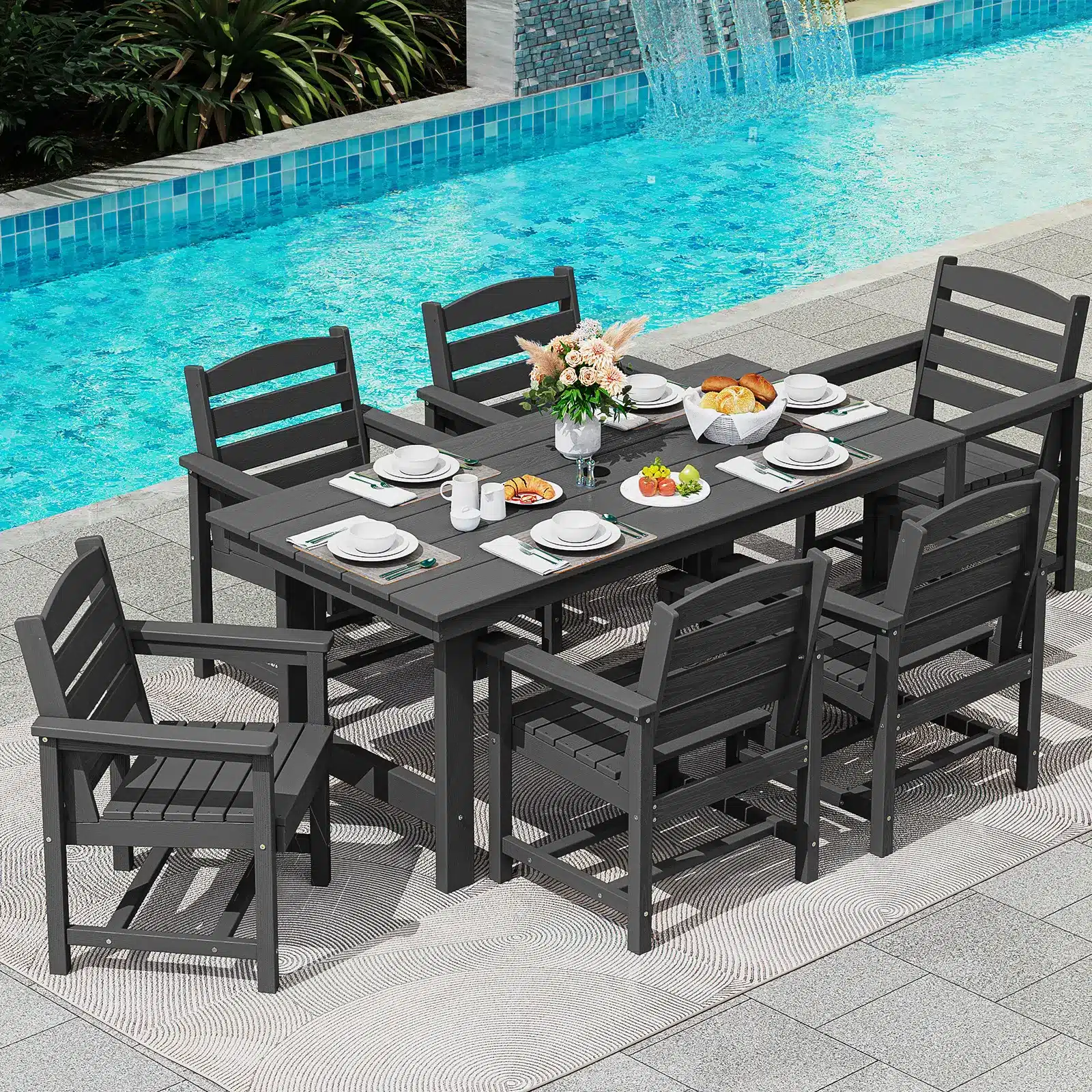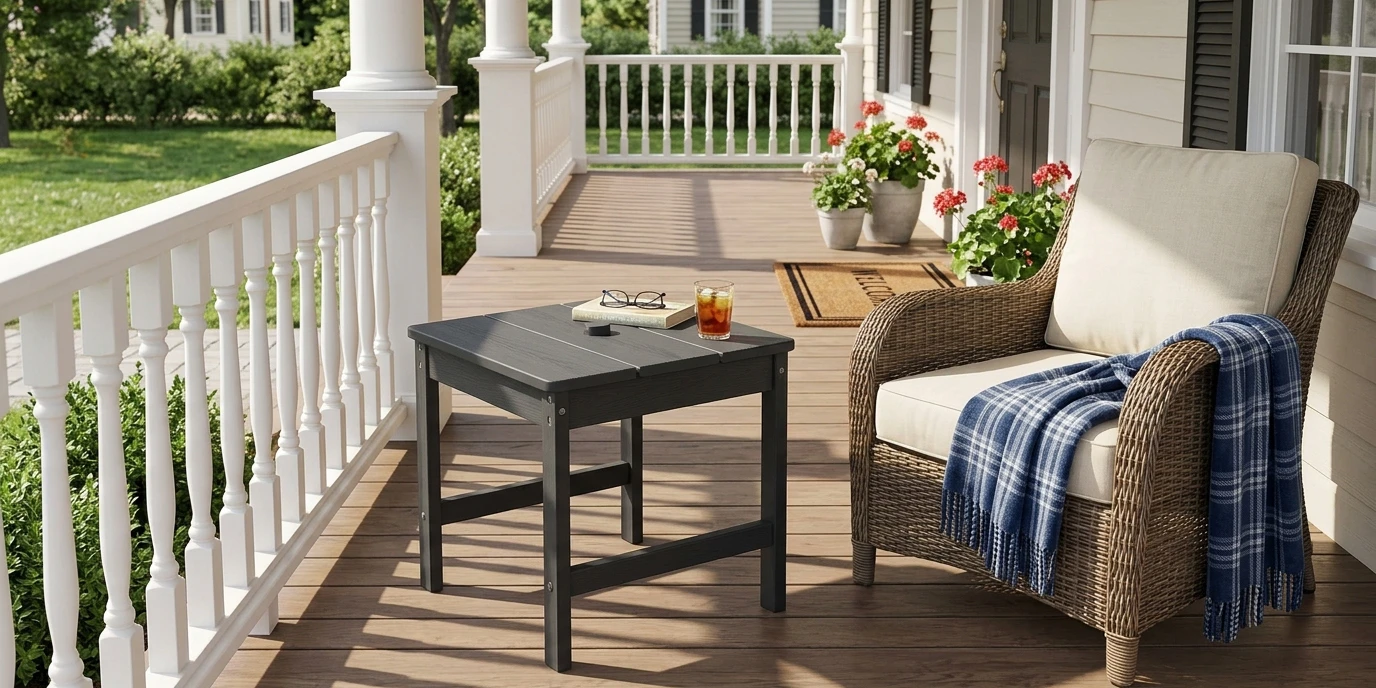

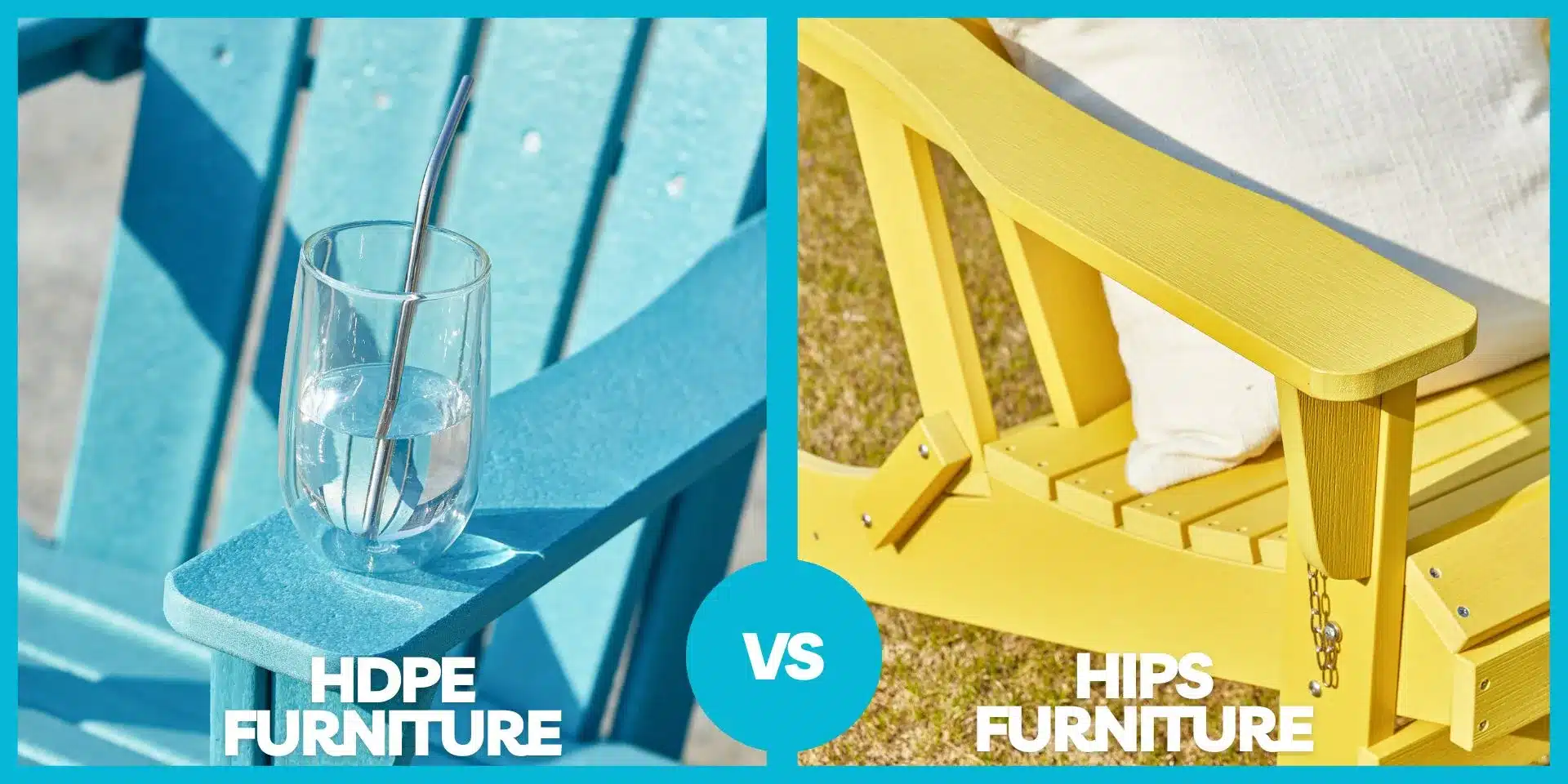
HDPE (High Density Polyethylene) and HIPS (High Impact Polystyrene) are two composite plastics that are currently popular choices for outdoor furniture consumers due to their outstanding durability and low maintenance needs. So Hips vs Hdpe, what is the difference? What are HDPE and HIPS materials? We’ll delve into the properties of both materials to help you understand them more clearly.
1. What is HDPE Material?

High density polyethylene (HDPE) is a thermoplastic polymer. As a result of its high strength-to-density ratio and excellent durability and corrosion resistance, it is widely used in everyday life and industry. Most milk jugs, shampoo bottles, pipes, and geomembranes are made from HDPE.
2. What is HIPS Material?
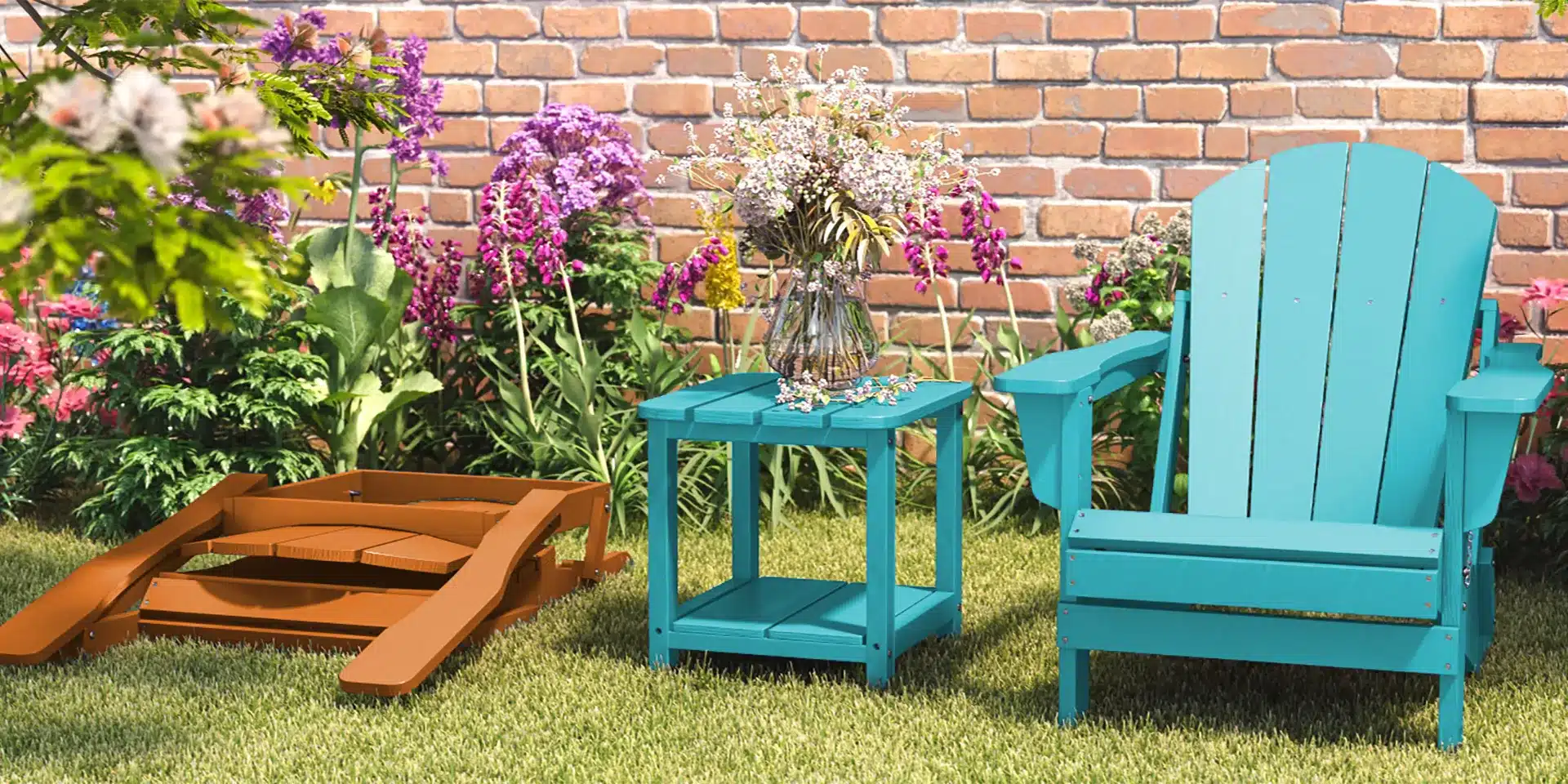
HIPS (High Impact Polystyrene) is also a versatile thermoplastic polymer with outstanding impact resistance, ease of processing, and good surface moldability. It is often used to manufacture toys, outdoor furniture, packaging materials and other products.
3. HIPS vs HDPE Outdoor Furniture
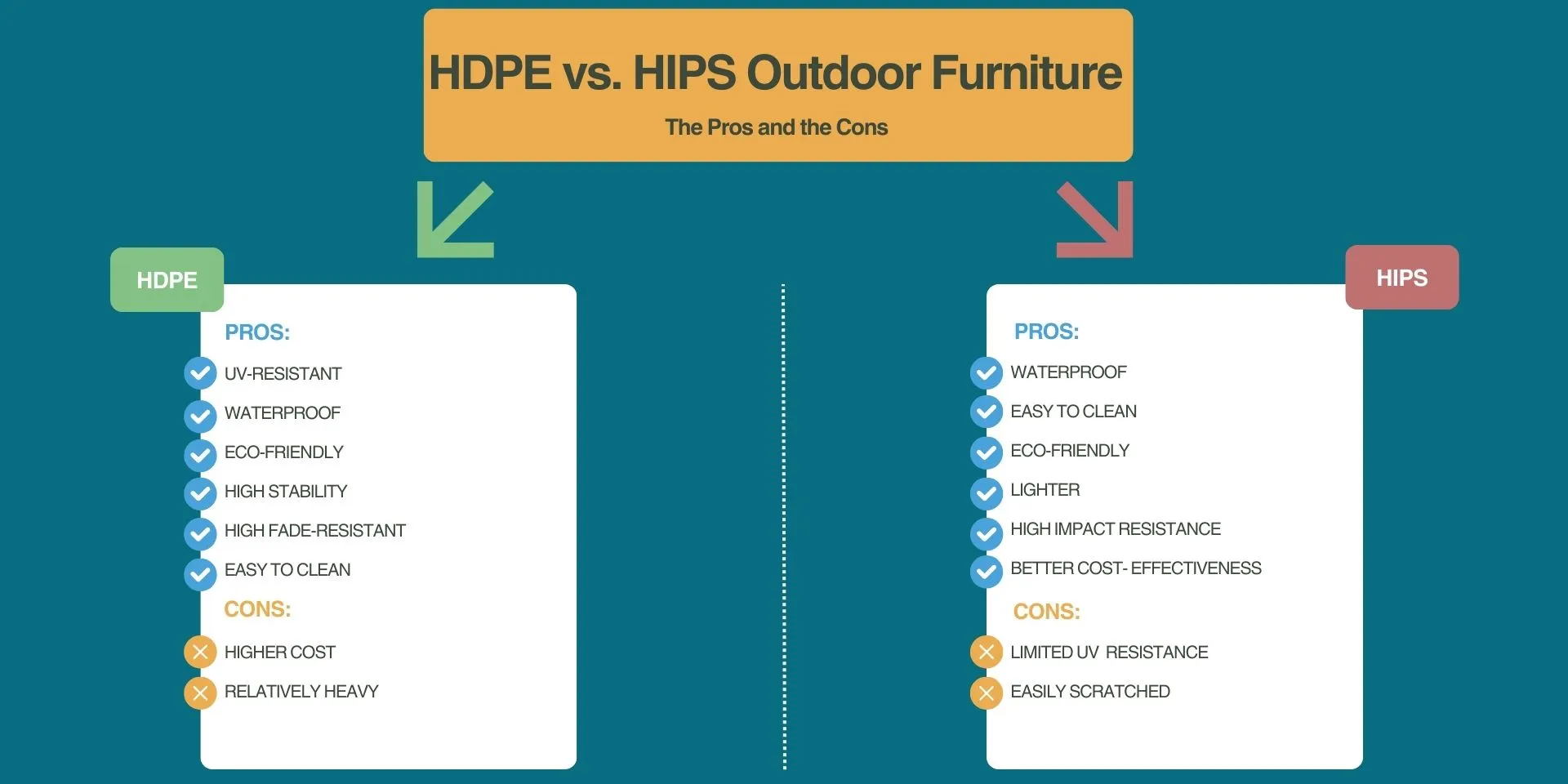
HDPE and HIPS each have their own characteristics in weather resistance, corrosion resistance and impact resistance, etc., you can choose the right outdoor furniture material for you through the following comparison.
UV Resistance Comparison
The molecular structure of HDPE is relatively stable, so HDPE furniture is more resistant to UV rays and is less likely to crack or fade in the sun. At the same time, many HIPS furniture pieces are also coated with UV protection to help slow the aging process. Under normal conditions of use, furniture made from both materials will provide long-lasting durability and good looks.
Moisture Resistance Comparison
HIPS vs HDPE: Which is more waterproof? HDPE has a compact molecular structure and superior resistance to water absorption.Outdoor furniture made from this material is less likely to deform in humid environments. HIPS, on the other hand, has a more amorphous (or non-crystalline) molecular structure, and prolonged exposure to moisture may result in a gradual deterioration of the furniture’s performance.
However, to ensure long-lasting durability of both HDPE and HIPS furniture, it is recommended that it be placed in a dry, cool place after wet weather.
Temperature Tolerance Comparison
HDPE material is able to maintain toughness below -22°F, while HIPS performs poorly at low temperatures, with a significant increase in brittleness at temperatures below 32°F, making it easy to crack. Moreover, the heat distortion temperature of HIPS is about 160°-189°F, and it is easy to be deformed under high temperature environment (such as direct sunlight in summer).
If you are in an area with harsh winters or hot summers, HDPE furniture is a better choice. But, HIPS plastic outdoor furniture is still reliable for use in moderate temperatures.
Impact Resistance Comparison
Hips vs Hdpe, which one is stronger? The HIPS material contains rubber, which deforms and absorbs some of the energy upon impact, reducing the risk of fracture due to stress concentration. Therefore, HIPS furniture has better impact resistance than HDPE furniture, and is more suitable for placing in outdoor areas where children or pets are active to minimize accidental injuries caused by impact.
Structural Strength Comparison
The density of HDPE is about 0.93-0.97 g/cm³ and the density of HIPS is about 1.04-1.06 g/cm³. Despite the higher density value of HIPS, HDPE, as a high-density polymer, has a more compact molecular chain structure. This enables furniture made of this material to stably withstand large static loads for long periods of time, demonstrating a high resistance to deformation. At the same time, HIPS furniture has good dynamic load- bearing capacity because of its excellent impact resistance, and performs well when subjected to sudden loads or rapidly changing loads.
Cost Comparison
HIPS vs HDPE: Which is more expensive? Because of the complex production process of HDPE materials and the high cost of raw materials, outdoor furniture made of HDPE is usually more expensive. However, HIPS has a lower production cost, as well as great durability and quality, making it more cost-effective.
Final Thoughts
Whether you are looking for cost-effectiveness or high-end quality, understanding the characteristics of different materials will help you find more suitable outdoor furniture. Hips vs Hdpe: Which material is right for you? HDPE and HIPS outdoor furniture each have their own advantages and are suitable for different needs. When purchasing, you can make a wiser choice based on the above content, considering factors such as the use environment and load-bearing requirements.
References: