
As the warm summer breeze begins to sweep across our landscapes, the urge to lounge on our outdoor patios becomes irresistible. However, with this seasonal shift comes a common question among patio owners: Does patio furniture need to be covered in the summer? Yes. No matter what material the patio furniture is made of, it is not inherently weather-resistant. Covering furniture can effectively extend its lifespan. Let’s explore why furniture should be covered in the summer and how to choose the right furniture covers for your furniture.
4 Reasons Why You Should Cover Patio Furniture in the Summer
1. Protection From the Elements
2. Prevent UV Damage
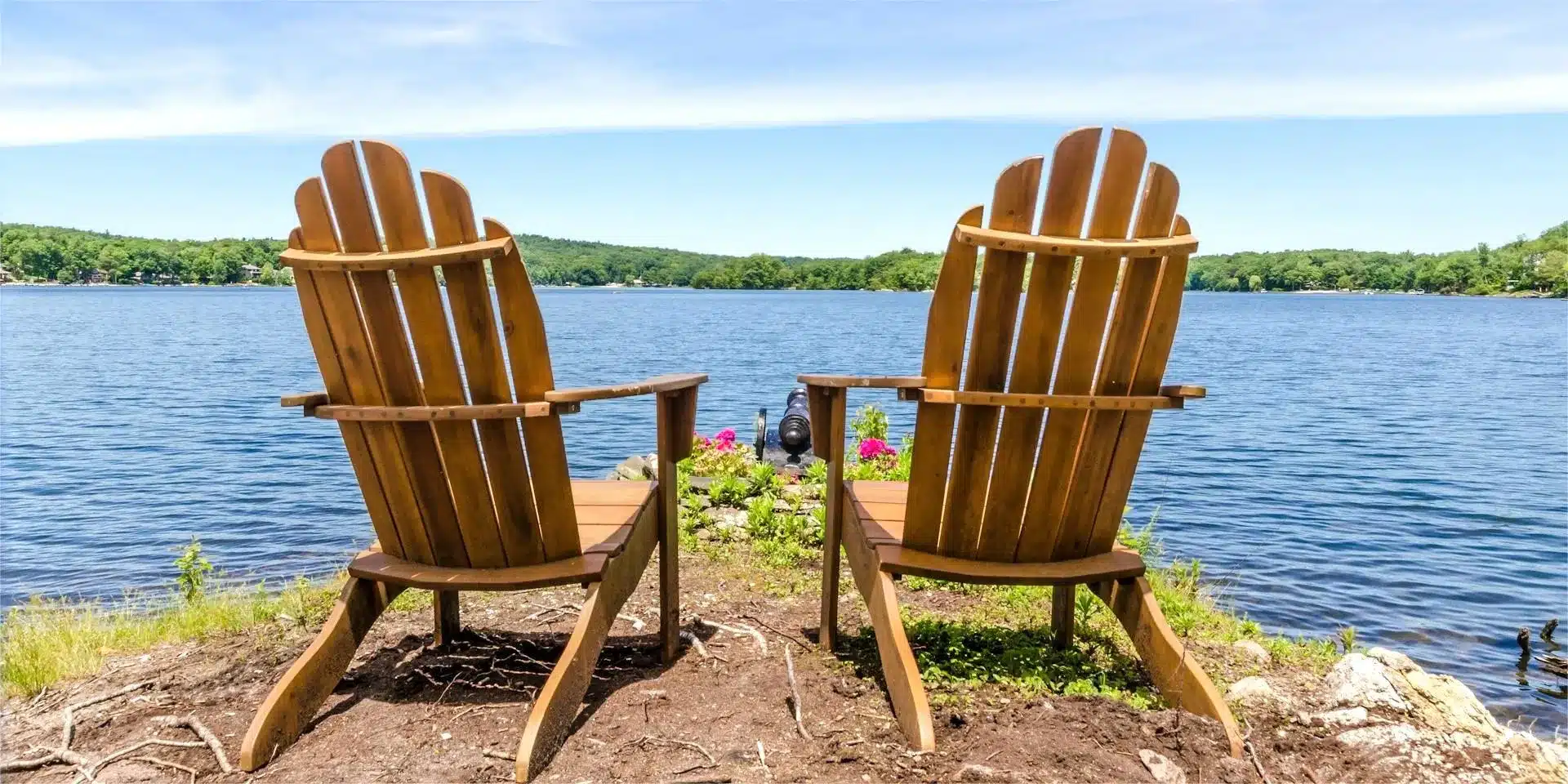
The summer sun can be both a blessing and a curse. While it provides warmth and light, its ultraviolet (UV) rays can be harsh on materials like wood, plastic, and fabric.
UV exposure can cause color fading, material weakening, and finish deterioration. Covering outdoor furniture can enhance sun protection, prolong its lifespan, and maintain its appearance.
3. Reduce Maintenance Effort
Covering your patio furniture can also reduce the amount of maintenance and cleaning required. By keeping it protected from dust, pollen, bird droppings, and other debris, you’ll spend less time scrubbing and more time enjoying your outdoor oasis. This is particularly beneficial if you have intricate or high-maintenance furniture pieces.
4. Enhance Aesthetics
Beyond practicality, covering your patio furniture can contribute to the overall aesthetic appeal of your outdoor space.
A well-designed and coordinated cover can enhance the look of your patio, complementing your existing decor and adding a touch of sophistication. It can also create a sense of organization and tidiness, especially if you have multiple furniture pieces to protect.
5. Consider Material Type
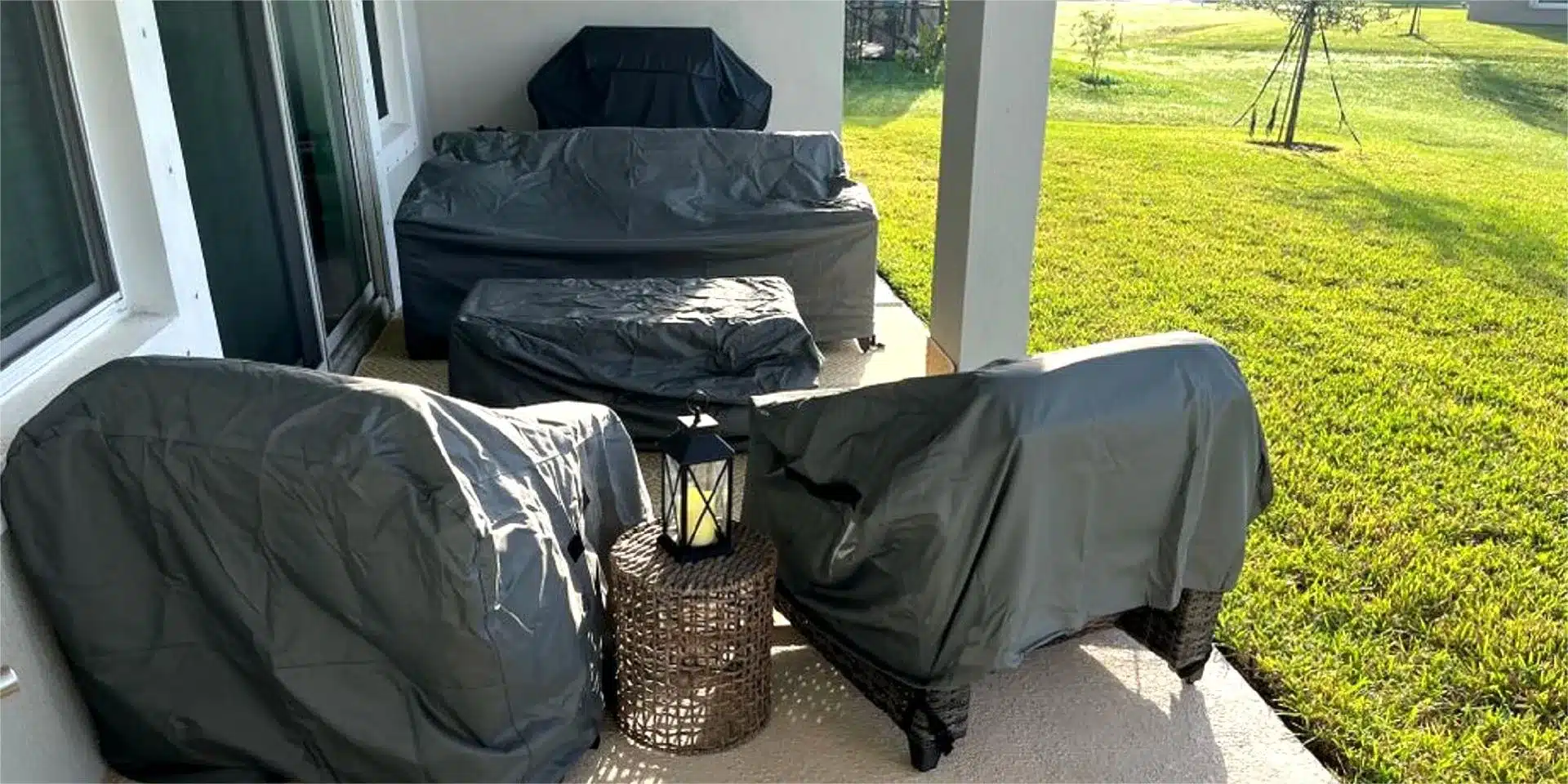
Does patio furniture need to be covered depends on its material. Different materials require different levels of protection. For example:
- Wood: Wooden furniture can benefit from being covered to prevent moisture absorption, which can lead to rotting or warping. However, ensure the cover allows for adequate ventilation to prevent mold or mildew growth.
- Metal: While metal furniture is generally more resilient to the elements, covering it can still provide an extra layer of protection against rust and corrosion, especially if it’s exposed to salty air near coastal areas.
- Plastic/Resin: These materials are often designed to withstand outdoor conditions, but covering them can help maintain their color and prevent dirt buildup, particularly for light-colored pieces.
- Fabric/Cushions: If your furniture includes cushions or fabric elements, covering them is highly recommended to prevent sun damage, moisture absorption, and staining.
Choose the Right Cover for your Patio Furniture
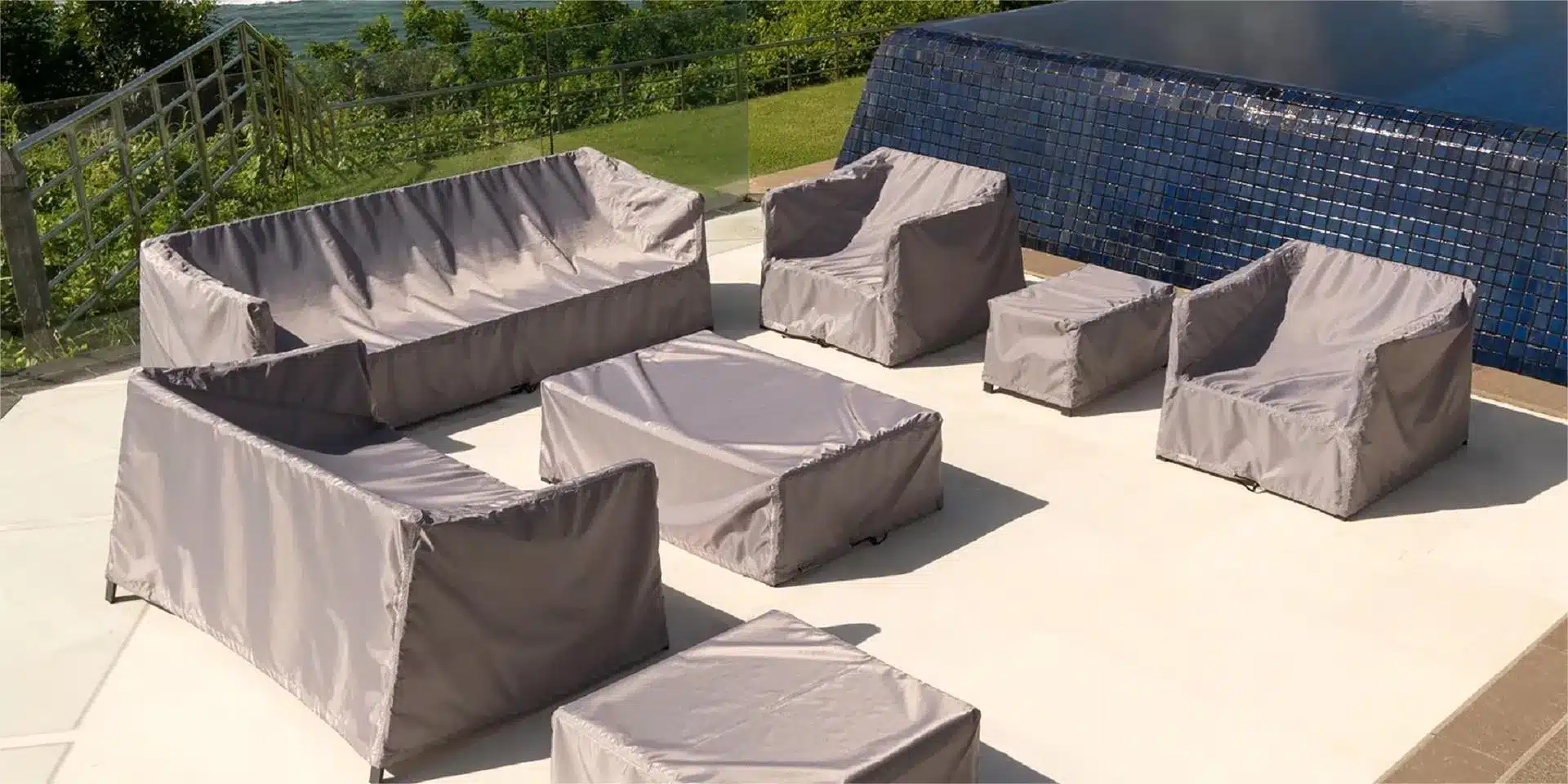
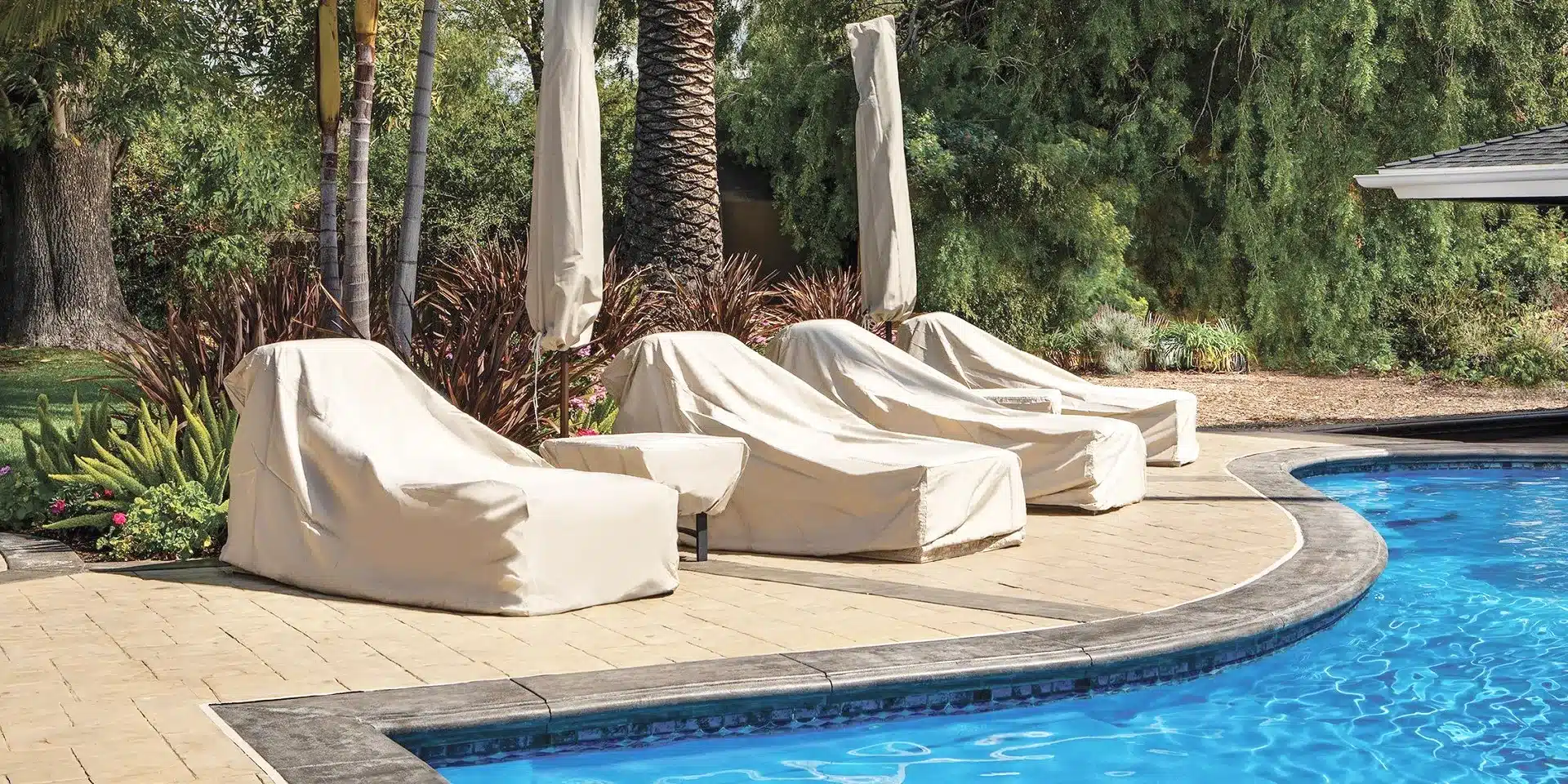
When choosing covers for your patio furniture, be sure to buy high-quality covers designed for outdoor use. Poor-quality coverings may trap moisture, leading to mold growth or accelerating furniture aging. Here are some tips to consider when selecting covers:
- Breathable and Waterproof: These covers should be waterproof, UV-protective, and breathable to prevent moisture build-up.
- Durable Materials: Choose materials that resist UV rays, rain, or sea breezes. Examples include high-strength polyester and solution-dyed fabrics.
- Properly Sized and Sturdy: Ensure that the protective cover you purchase completely covers your patio furniture. Choose a cover with adjustable straps, buckles, or drawstrings to prevent it from being blown away or torn by the wind.