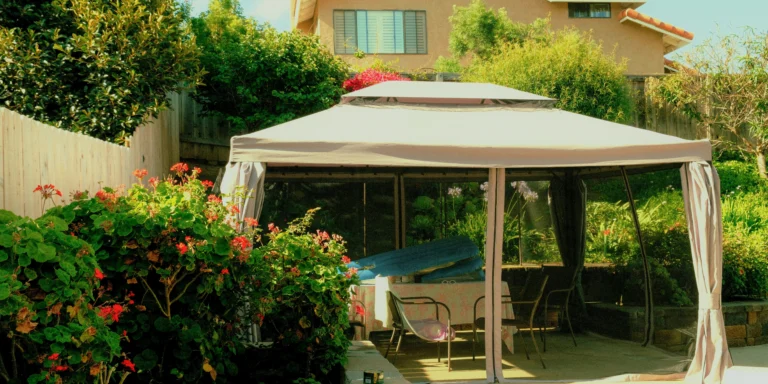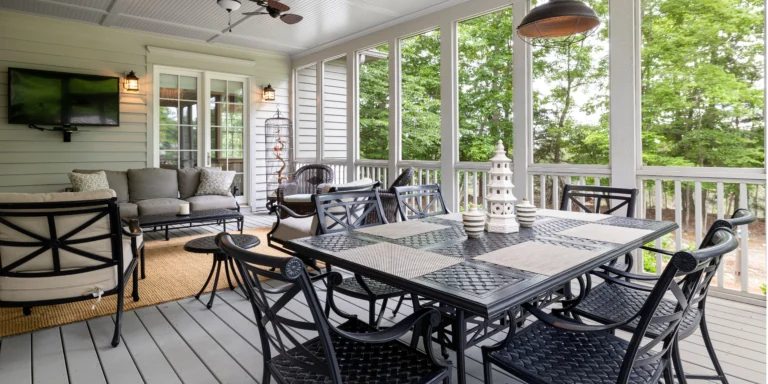

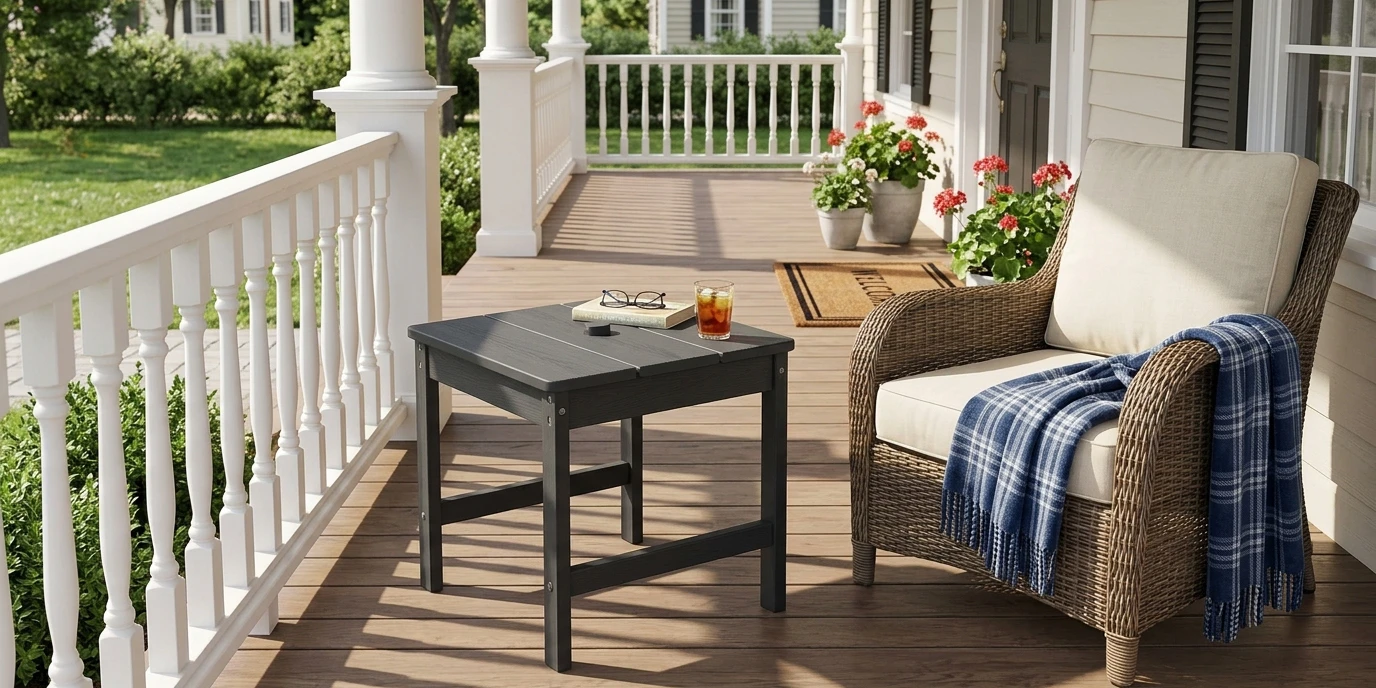
What is a Side Table?
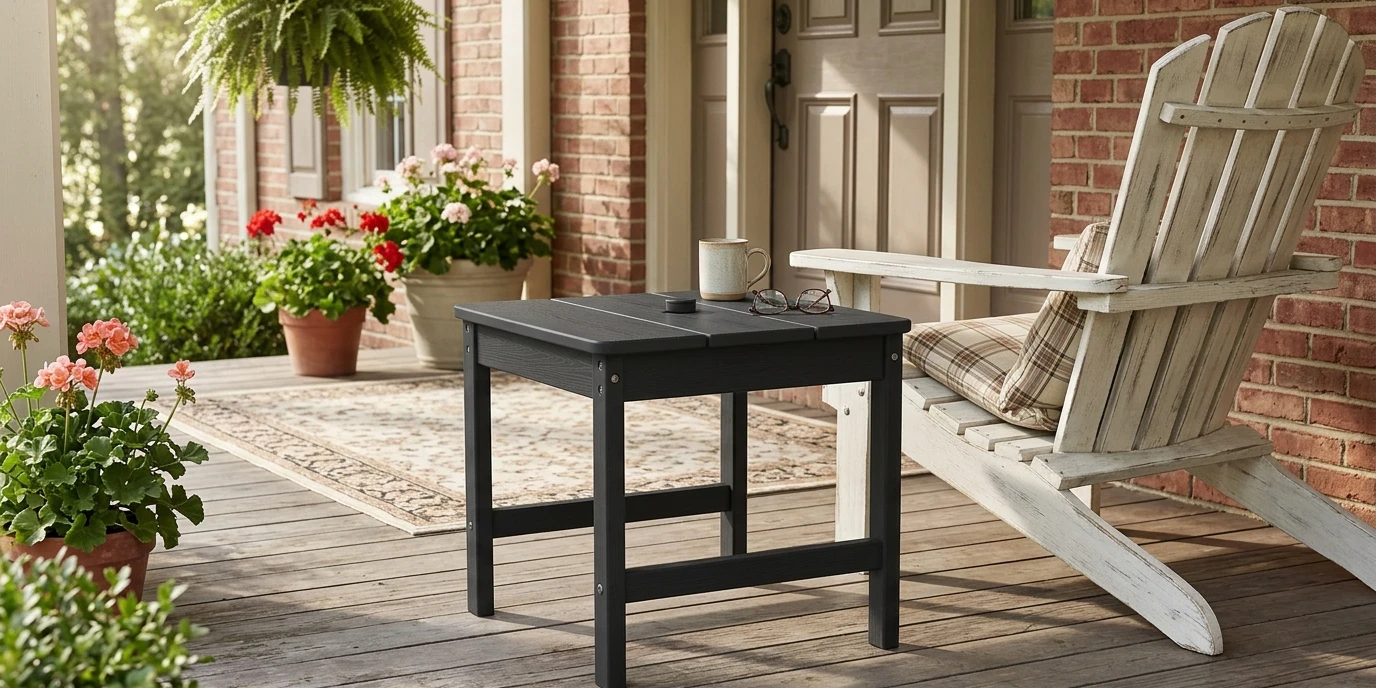
Compared to end tables, side tables are more flexible and decorative. Side tables can be placed anywhere in the home, such as in the bedroom, living room corner, porch, or patio lounge area. As a standalone accent table, the side table can be placed next to various pieces of furniture to provide display and storage space, such as sofas, outdoor lounge chairs, and outdoor chaise lougnes. Whether you want to display flowers or decorations, or simply fill a corner space, it’s the perfect choice.
What is an End Table?
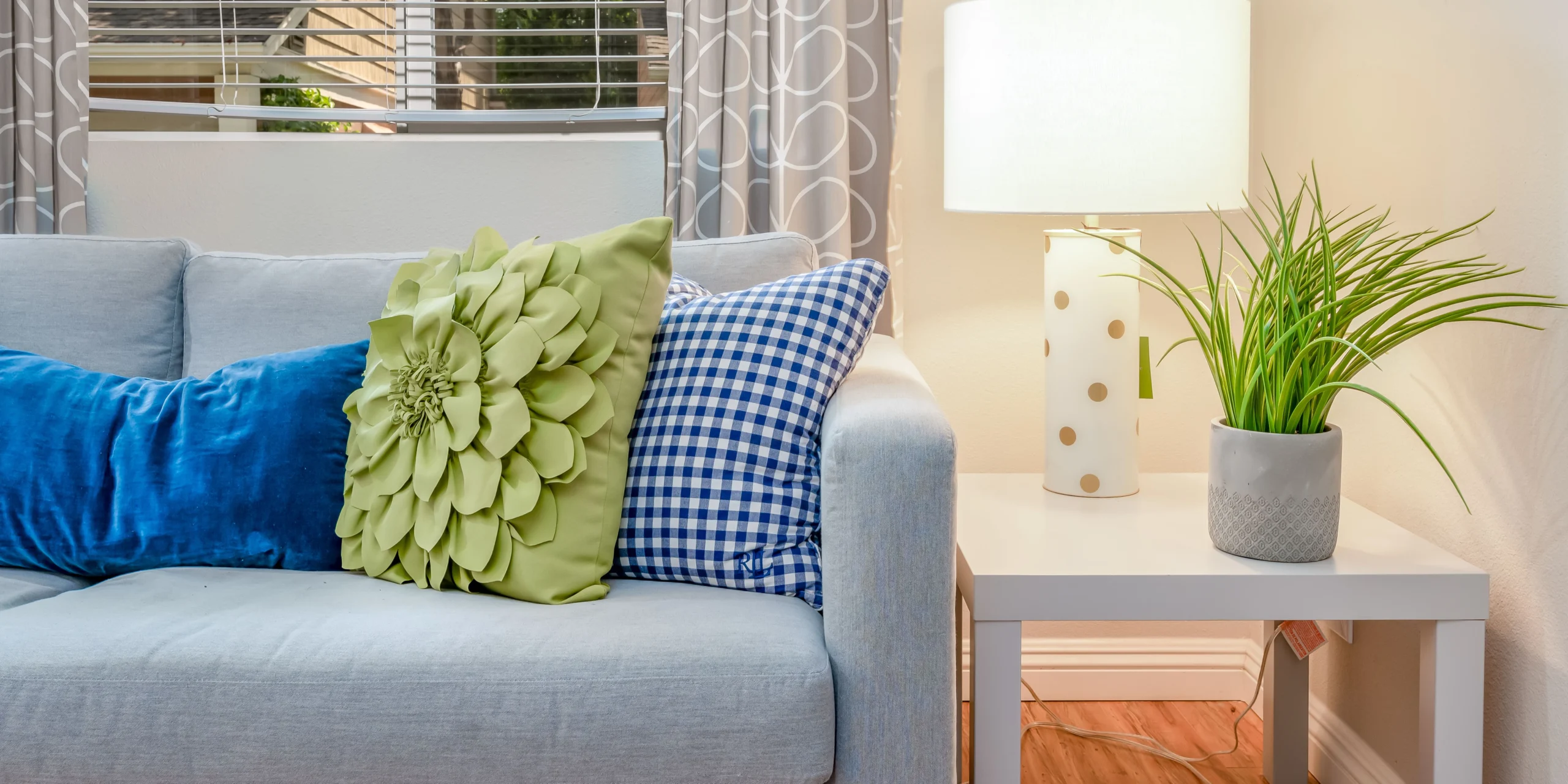
End tables are typically found at the end of seats in sectional or two-seater sofas, providing convenient storage for everyday items such as lamps, drinks, cell phones, and remote controls. Unlike side tables, they are usually placed in pairs on either side of a sofa or armchair to create a symmetrical seating arrangement. Its height is usually level with that of a sofa or armchair for easy access to items.
Side Table vs End Table: Comparison of Key Differences
What is the difference between a side table and an end table? Here is a complete comparison:
Size
Side tables are typically more spacious than end tables, offering greater placement and storage space. Side tables typically range in size from 14 to 25 inches and offer a variety of additional features, such as folding and an umbrella hole. End tables are typically 12-18 inches in size and have a compact design to facilitate placement at the end of sofas or armchairs.
Placement
If the size difference is not significant, we can quickly determine it by the placement of the items. An end table is placed at the end of a sofa or next to an armchair. A side table is placed between outdoor chairs, in a corner of a room, on a porch, or on a patio. End tables are typically more compact and take up less space than side tables.
Shape
Both side tables and end tables offer a wide variety of options, but side tables have more diverse designs. The shape of a side table is usually a regular shape such as a square, rectangle, or circle. In addition to regular shapes, side tables also come in some irregular shapes, such as hourglass, hexagon, and C-shape.
Use
In terms of usage, end tables and side tables serve similar functions, but side tables also provide an additional decorative element. End tables emphasize practicality, serving as places for frequently used items such as lamps, drinks, remote controls, books, and personal electronic devices. Side tables combine practicality and decoration, adding a stylish touch to the living room or patio while providing ample storage space.
Height
The height of a side table is generally flexible and may be lower or higher than the surrounding chairs or sofas. The height of the end table is subject to certain requirements. It needs to be level with the sofa armrest for easy access to items.
Side Table vs End Table: How to Choose One?
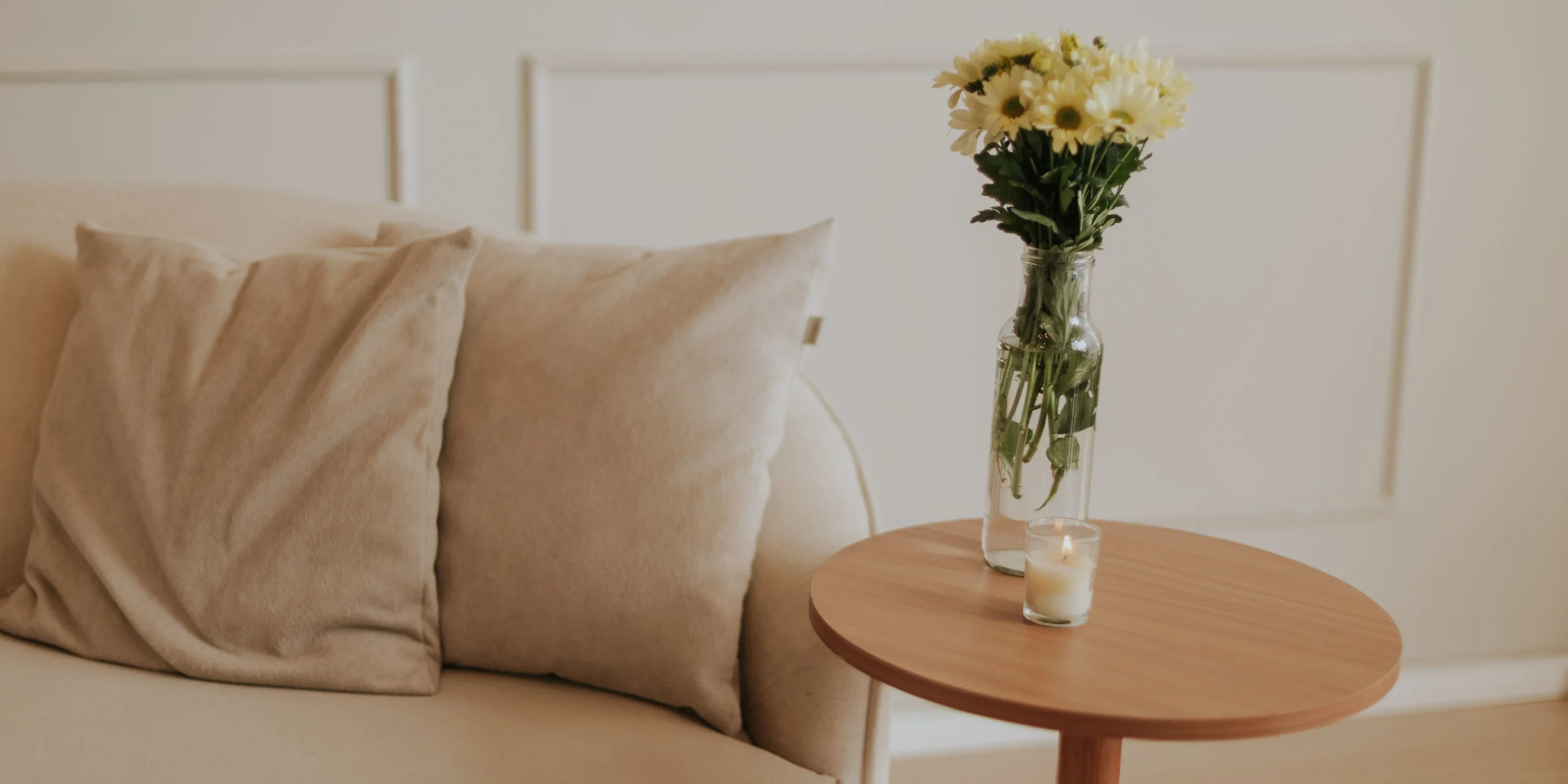
Which is better suited for your home or patio—a side table or an end table? This depends on the placement location, available space, and storage needs. If you’re looking for a table to fill the gaps between your living room sofa, then an end table is the perfect choice. opting for a design with drawers or shelves provides extra storage. If you’re looking for a decorative table for your bedroom, front porch, or patio, a side table is a more suitable option. Choose weather-resistant materials to ensure the side table is durable and long-lasting, such as HDPE plastic, teak, and stone, etc.
Decor Tips for Side Tables and End Tables
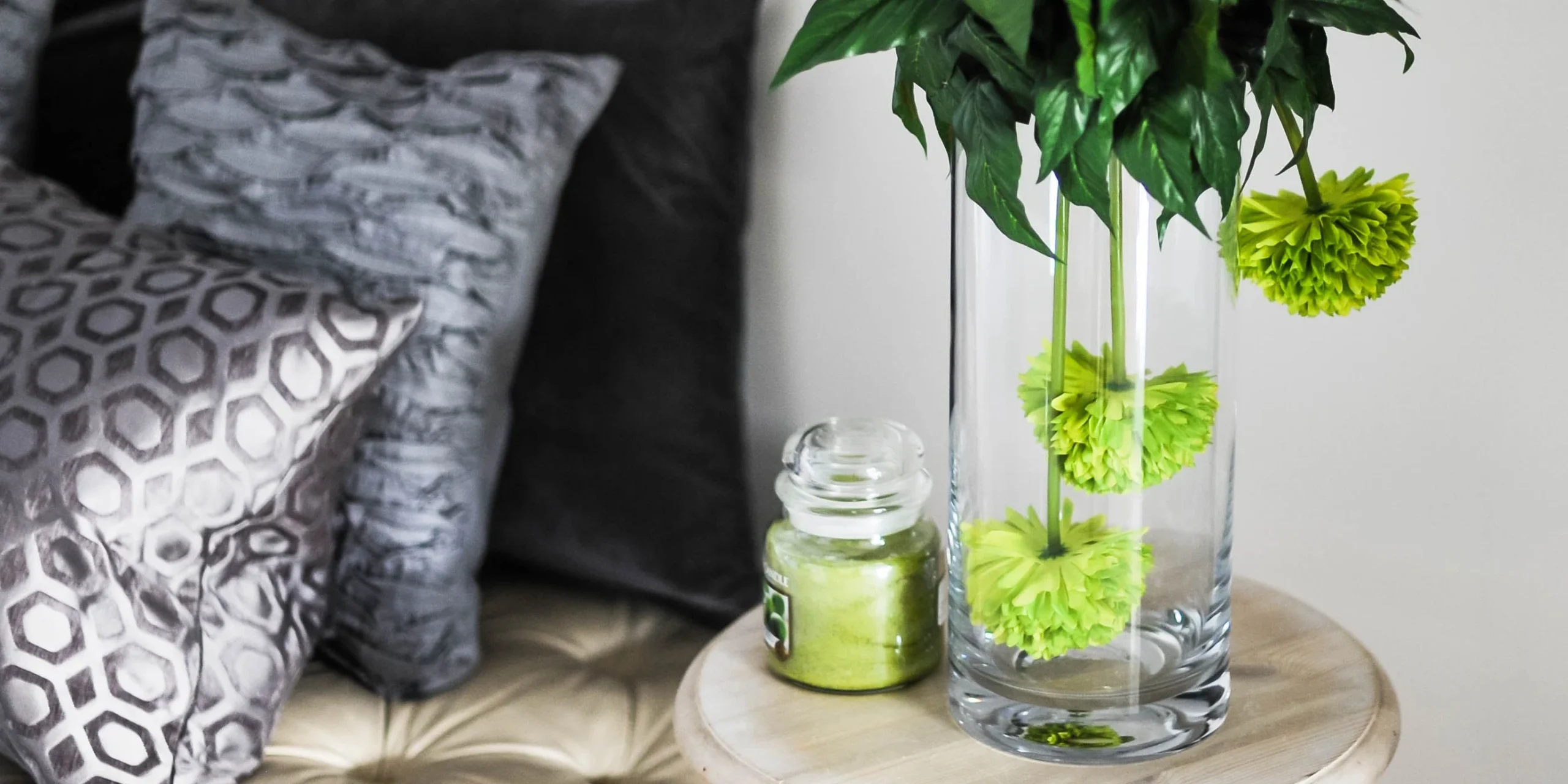
Decorate your side tables and end tables to create a stylish visual focal point.
- Incorporate natural elements. Place small potted plants, fresh flowers, dried branches, or artificial greenery on the side tables and end tables to add color and softness.
- Choose a desk lamp of an appropriate size. Place a small table lamp in the center of the table to create a warm and cozy atmosphere.
- Create a sense of layering with varying heights. Place tall lamps or vases on the table alongside trays of medium to low height to create a layered effect.